World Soil Day
To combat soil degradation and encourage more sustainable management practices, LivingSoiLL is implementing five Living Labs, strategically located in Portugal, France, Spain, Italy, and Poland.
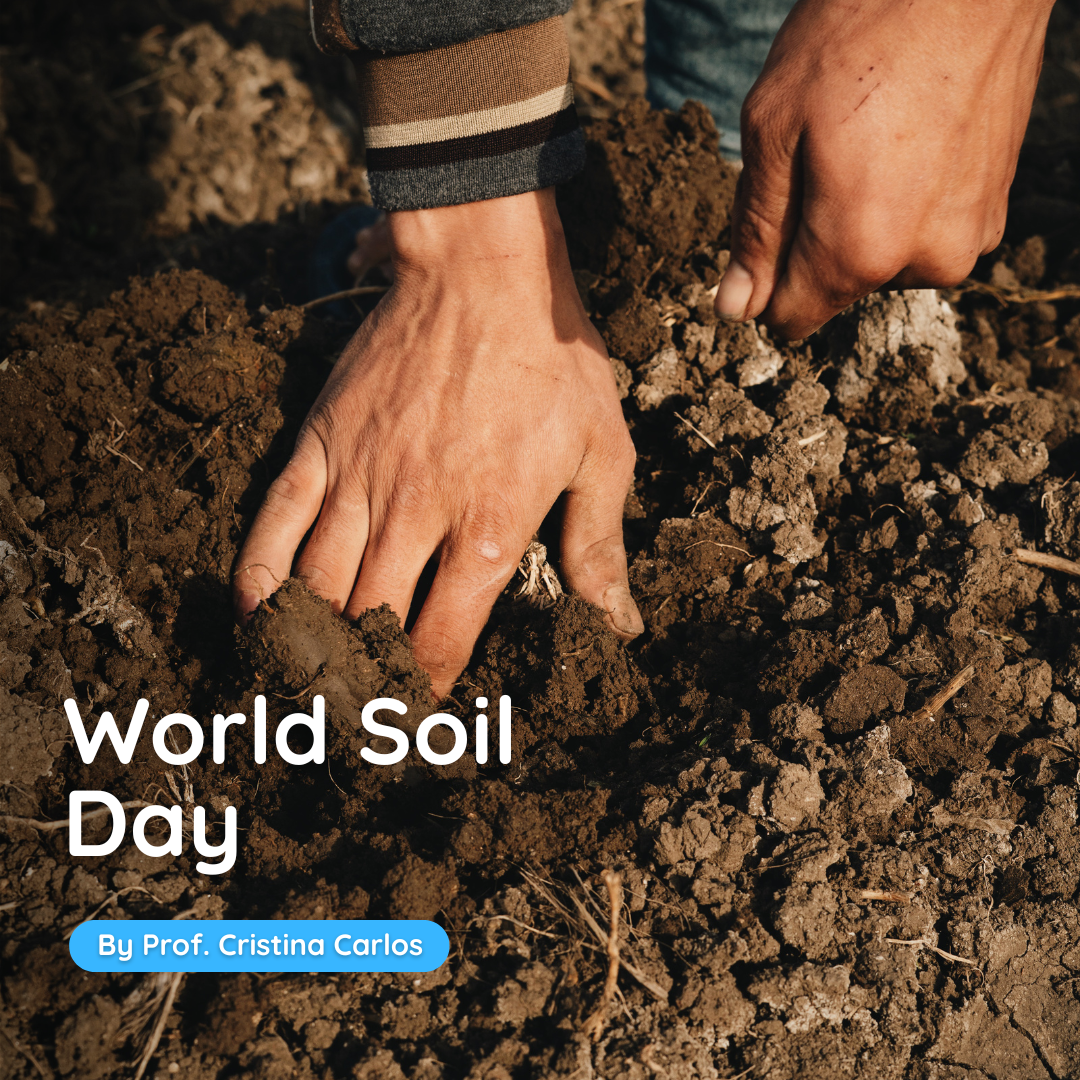
On World Soil Day, we celebrate LivingSoiLL, a highly relevant initiative funded by the European Union through the Soil Mission. This project brings together a wide range of partners – including farmers, researchers, companies, policymakers, and citizens – with the central goal of improving soil health in permanent crops, thereby promoting more sustainable agriculture and greater resilience to climate change.

To combat soil degradation and encourage more sustainable management practices, LivingSoiLL is implementing five Living Labs, strategically located in Portugal, France, Spain, Italy, and Poland. These Living Labs focus on permanent crops such as vineyards, olive groves, chestnut orchards, hazelnut orchards, and apple orchards.
The project includes 67 experimental sites, established under real-life conditions (commercial plots), where innovative solutions – including digital tools – are being tested to reduce erosion, improve soil structure, minimize the impacts of intensive fertilizer and pesticide use, and increase water retention capacity, while simultaneously promoting biodiversity and ecosystem resilience.
In the Luso-Galician Living Lab, winegrowers, olive growers, researchers, companies, and public entities collaborate by testing management solutions aimed at making the soils of Northern Portugal and Galicia more resilient and productive. So far, three major threats to soil health have been identified: erosion, compaction, and low organic matter levels. Among the solutions currently being tested are the installation of drainage systems, the application of compost produced from farm by-products, and the use of cover crops with species adapted to the local context.
By implementing these site-specific actions, we are improving soil quality across Europe and strengthening the resilience of agricultural systems to future environmental pressures.
Start date: Friday, 05th December 2025